How to Use This Guide (What to Do & What to See | Summer 2026 in Puglia)
Recommended transport: car (maximum freedom between coves, villages, and masserie).
Pace: many stops, but “smart”: each day has a base location with nearby detours (coast + countryside).
Goal: reach Santa Maria di Leuca by passing through the most touristic and iconic places of central Puglia and the Salento area.
Visiting Puglia in the summer of 2026 means immersing yourself in a sunny, authentic land that is increasingly well equipped for experiential tourism. This 7-day itinerary from Bari to Santa Maria di Leuca is designed for travelers who want to discover the very best of the region, combining art cities, historic villages, award-winning seas, local traditions, and food and wine culture. It is an ideal route both for a road trip and for an organized holiday, with well-balanced stops and a relaxed yet engaging rhythm.
Day 1 – Bari, the Gateway to Puglia
What to See in Bari (details and must-see highlights)
Bari Vecchia (early morning is perfect)
The maze of narrow streets should be explored slowly, letting yourself be guided by the authentic soul of the city among arches, courtyards, and small squares. In the famous “orecchiette streets,” you can watch the handmade preparation of pasta, one of Bari’s most iconic scenes and perfect for photos and videos. Between Arco Basso, little squares, and inner courtyards, it is worth looking for small viewpoints, votive shrines, and flower-filled balconies—the true heart of Bari’s story.
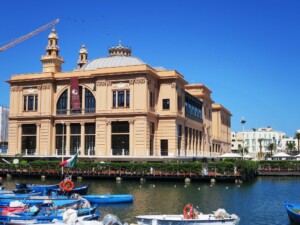
Basilica of San Nicola
Visiting the interiors and the crypt is essential: it is a symbolic place, deeply loved by pilgrims as well. Taking a few minutes in silence helps slow down the pace of the day.
Cathedral of San Sabino
Often less crowded than other sites, it allows you to appreciate the architecture at a leisurely pace. It is also a natural stop along the walk between Bari Vecchia and the sea.
Castello Svevo
Worth seeing at least from the outside, walking along its perimeter among walls, moat, and ideal photo viewpoints. During the hottest hours, it offers a pleasant shaded stop and a moment of rest.

Bari Seafront and Sunset
The perfect end to the day is a walk along the seafront, with golden light, sea breeze, and a summer atmosphere. For a true “wow” effect, choose a stretch overlooking the open sea, then head back toward the city center for dinner.

What to Eat in Bari (street food and must-try dishes)
Bari’s street food is ideal for a progressive tasting experience: focaccia barese with a crispy base and cherry tomatoes on top, sgagliozze (fried polenta squares) and popizze as snacks, and a hot, gooey panzerotto to be eaten strictly standing up.
In a traditional trattoria, must-order dishes include orecchiette with turnip tops or simple tomato sauce, spaghetti all’assassina for those who love bold flavors, and rice, potatoes, and mussels when available. For seafood lovers, raw fish is an option for those who appreciate it, while fried seafood or grilled fish are more “easy” alternatives.

Recommended Activities
Self-guided street food tour during your walk, a photography walk between Bari Vecchia in the morning and the seafront during golden hour, a sea-view aperitivo between 7:00 pm and 8:30 pm in summer, and some mini gourmet shopping with taralli, extra-virgin olive oil, preserves, and dried orecchiette.
Suggested Mini-Itinerary
09:00–11:30 Bari Vecchia and Basilica of San Nicola.
11:30–13:00 Cathedral and Castle or a shaded break.
13:00–14:30 traditional lunch.
15:30–18:00 extra detour to Giovinazzo, Molfetta, or Bitonto.
18:30–20:00 return to Bari and sunset along the seafront.
20:30–22:30 dinner and evening stroll.
Day 2 — Polignano a Mare and Monopoli
Cliffs, coves, iconic sea, and seaside historic centers
Day concept: the Adriatic between postcard-perfect views and authenticity, with the morning in Polignano and the afternoon–evening in Monopoli.
Polignano a Mare
The real spectacle is walking above the sea: the historic center is suspended on cliffs, and the viewpoints offer spectacular views over the Adriatic, especially in the morning. Walking through white alleys, arches, and terraces, every corner becomes a photo opportunity.
The famous town cove is worth admiring even just from above, where the contrast between light rock and turquoise sea is striking. In summer, if you don’t want to go down for a swim, it’s perfect as an iconic stop before heading to less crowded coves. Moving slightly away from the main flows, you’ll find quieter views, ideal for a slow walk.

At the table, the octopus sandwich is the gastronomic symbol of the coast, perfect for a quick lunch. Artisanal gelato is ideal during the hottest hours, while taralli and local baked goods are great to take with you.
Among the activities, the boat tour to the caves stands out, recommended in the morning for calmer seas and better light. Cliff jumps are possible only where permitted and in complete safety.
Recommended timing: 08:30–12:30 walk, viewpoints, and boat tour; 12:30–14:00 quick lunch; 14:00–15:00 gelato and final views, then departure for Monopoli.
Monopoli
Monopoli is a true seaside city, with a compact and authentic fortified historic center overlooking the Adriatic. Walking along the walls allows you to observe the sea from more urban perspectives compared to Polignano. The old harbor is the beating heart of the city, animated by boats and daily life, perfect in the late afternoon.

The castle and the seafront naturally connect the center to the evening promenade, while small squares and alleys invite aimless wandering, especially at night.
In the kitchen, fried paranza (small fish), stuffed mussels, and orecchiette with seafood dominate, paired with chilled Apulian white wine or local rosé.

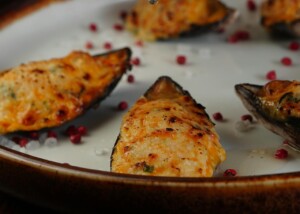
Among the activities, a sunset swim is particularly evocative, followed by an evening walk from the harbor to the walls and a sea-view dinner.
Recommended timing: 15:30–17:30 historic center and harbor; 18:00–19:00 swim; 20:00–22:30 dinner and walk.
Day 3 — Valle d’Itria
Alberobello, Locorotondo and Cisternino
White villages, iconic trulli, wide valley views, and an honest cuisine that tells the story of the land.
The third day is dedicated to the most recognizable heart of Puglia. The Valle d’Itria is a mosaic of gentle hills, centuries-old olive trees, dry-stone walls, and dazzling white historic towns. It is an intense yet harmonious day, where each stop is close to the next and the journey itself becomes part of the experience.
Alberobello – morning
The day begins in Alberobello, one of the most iconic places in Italy. Visiting Alberobello intelligently means avoiding a rushed itinerary and instead choosing a gradual discovery, capable of revealing both the scenic soul and the more authentic side of the town.
Visiting the trulli districts is ideal when divided into two distinct moments. The first area is the most famous and spectacular, characterized by lively streets, artisan shops, and perfect photo spots. Here the visual impact is immediate and makes it easy to understand why Alberobello is truly unique in the world. It is the ideal place for a first immersion, to closely observe the conical roofs, pinnacles, and painted symbols.
Continuing on, you enter the more authentic and quieter area, where the trulli are still inhabited and the pace is noticeably slower. Here the crowds thin out, voices soften, and everyday life can be felt. This is the most intimate part of Alberobello, the one that allows you to imagine what life was like among these houses centuries ago.
Walking among the trulli is not just a tourist visit, but a true journey into a one-of-a-kind landscape. Every alley tells a story, every architectural detail speaks of ingenuity, tradition, and adaptation to the land. It is a powerful start to the day and perfectly prepares you for the next stops in the Valle d’Itria.

Visit a Trullo – interiors
To truly understand Alberobello, it is essential to step inside a trullo open to visitors (Trullo Sovrano).
Only then does one move from simple aesthetic wonder to a real understanding of how people lived in these unique structures. The interior spaces, often more compact than one might expect from the outside, tell the story of a way of living that was essential yet surprisingly functional. The thick stone walls ensured thermal insulation, keeping interiors cool in summer and warmer in winter, while niches carved into the walls served as wardrobes, pantries, and sleeping areas.
Construction ingenuity emerges in every detail: no use of mortar, balance achieved solely through stone placement, and forms designed to withstand time and weather. Visiting a trullo from the inside makes it clear that these are not just picturesque buildings, but a true historical and intelligent response to the needs of rural life in the Valle d’Itria.
Panoramic viewpoints
Climbing toward the higher points of Alberobello offers an overall view that completely changes the perception of the village. From these elevated positions, the eye takes in hundreds of conical roofs unfolding in a surprisingly harmonious way. The density of the trulli, all different yet perfectly integrated, creates a visual impact that is truly unique.
These viewpoints are ideal places to pause for a few minutes, observe in silence, and grasp the deep connection between architecture and landscape. This is the moment when Alberobello stops being just a tourist destination and becomes a true visual narrative of its history.
What to eat in Alberobello
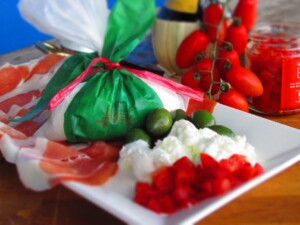
After the visit, the best way to complete the experience is to taste the typical products of the Valle d’Itria. The local cuisine is simple yet rich in flavor, based on top-quality ingredients. Fragrant and delicate capocollo, fresh burrata with its creamy center, locally aged or semi-aged cheeses, and classic taralli represent the gastronomic essence of the area.
These products are also perfect for a light lunch, perhaps as a tasting board accompanied by local bread and a glass of regional wine. An authentic break that allows you to savor the Valle d’Itria without weighing down the day, and to continue the journey with taste and simplicity.

Recommended Activities in Alberobello
The best time to experience Alberobello is early in the morning, when the light is softer and enhances the shapes of the trulli without creating harsh shadows. It is the ideal time for photography, but also for enjoying the town with less noise and fewer people. The streets are quieter, and the atmosphere conveys a more authentic and intimate feeling.
During your walk, it is advisable to stop by small local shops to purchase typical products. Many of these, such as artisan-packaged taralli, preserves, or small gastronomic specialties from the Valle d’Itria, are easy to transport and make for a tangible souvenir of the trip.
Above all, Alberobello should be experienced without rushing. It is not a place to pass through quickly, but one to absorb slowly. Walking without a rigid route, stopping to observe an architectural detail or a scene of daily life, allows you to truly grasp its soul.
Locorotondo – lunch and stroll
After Alberobello, the day continues toward Locorotondo, considered one of the most elegant and well-kept villages in Puglia. Arriving in Locorotondo immediately offers a different feeling—more refined and orderly, almost suspended in time.
The historic center has a circular layout that invites a natural, continuous walk. The perfectly aligned white houses are embellished with balconies and windows overflowing with flowers, adding color and fragrance to every corner. The atmosphere is quiet and composed, ideal for a relaxing stroll after a more intense morning.

For lunch, Locorotondo offers simple yet authentic options. When available, freshly fried panzerotti are a perfect choice: few ingredients, immediate flavor, and great satisfaction. Alternatively, or alongside them, a glass of local wine allows you to approach the wine tourism of the Valle d’Itria, savoring the aromas and characteristics of a land deeply connected to the soil and to tradition.
Locorotondo does not require a tight schedule. It is a place to be experienced slowly, letting yourself be guided by the discreet beauty of its streets and by the sense of balance that makes it one of the most beloved villages in the region.
Activities in Locorotondo
A visit to Locorotondo is conceived as a natural slowdown after the energy and liveliness of Alberobello. Here, the walk becomes relaxing, almost therapeutic. Distances are short, streets are clean and orderly, and every turn in the historic center invites you to walk without a specific destination, simply following the rhythm of the place.
Along the way, it is pleasant to step into artisan workshops and small traditional shops, where you can find ceramics, handmade objects, and carefully selected local products. This is not frantic shopping, but a slow discovery, made of conversations with shopkeepers and details that tell the story of the village’s culture.
Locorotondo is the perfect moment of the day to truly slow down. Here, time seems to flow more slowly, and this mindful pause ideally prepares you for the evening stop, more intense from a gastronomic and emotional point of view.
Cisternino – evening
The day ends in Cisternino, one of the most authentic and evocative villages of the Valle d’Itria, especially in the evening hours. Arriving in Cisternino at sunset allows you to enjoy its panoramic viewpoints overlooking the valley, when the warm light colors the hills and olive groves, creating an intense and relaxing atmosphere.
The historic center is compact, intimate, and deeply lived in. In the evening, the streets come alive with residents and travelers, lights gradually turn on, and the village takes on a romantic and welcoming character. Walking through the alleys at this time of day offers a sense of authenticity that is hard to find elsewhere.
From a gastronomic perspective, Cisternino represents the highlight of the entire day. Here, bombette pugliesi are not just a typical dish, but a true institution. They should be ordered freshly made, when the meat is still juicy and the filling releases all its aroma. The tradition of butcher shops with open grills makes the experience informal, convivial, and absolutely genuine.
Accompanying the bombette are simple yet perfect side dishes, such as warm focaccia, grilled vegetables, and other dishes from the rural tradition. Direct flavors, without excess, that tell the story of Valle d’Itria cuisine in the most authentic way possible.
Cisternino is the ideal conclusion to this day: sunset views, a vibrant evening atmosphere, and a dinner that stays in your memory, capable of capturing the soul of the territory in just a few dishes.

Evening Activities in Cisternino
The evening in Cisternino reaches its fullest expression with dinner at a butcher shop or braceria, one of the most typical and convivial experiences in the area. You choose the meat directly at the counter and enjoy it just a few minutes later, grilled over embers and served simply. It is an informal ritual, made of shared tables, intense aromas, and spontaneous conversations, allowing you to feel part of the most authentic local life.
After dinner, an evening stroll through the illuminated alleys perfectly completes the experience. Warm lights enhance the stone, informal venues come to life without becoming chaotic, and the atmosphere remains relaxed. It is the ideal moment to walk without haste, perhaps stopping for a final drink or simply enjoying the quiet broken by distant voices.
The evening climate, especially during the milder seasons, is perfect for ending an intense yet well-balanced day. Cisternino gently leads you toward rest, leaving a feeling of fullness and authenticity.
Day 4 — Martina Franca and Ostuni
Elegant Baroque, white villages, and—for those who wish—the sea at Marina di Ostuni
The concept of the day is clear and harmonious: a refined inland town in the morning, the Apulian icon in the afternoon, and a memorable sunset to close the journey. It is a day that combines culture, aesthetics, and landscape, maintaining a pleasant pace.
Martina Franca – morning
The morning is dedicated to Martina Franca, a city that represents a cultured, elegant Puglia, less exposed to mass tourism. The Baroque historic center stands out for its order and harmony, offering a more intimate experience compared to other, more famous villages.
As you stroll, you encounter balanced squares and noble palaces with light-colored façades, enriched by wrought-iron balconies and finely decorated portals. Every architectural detail tells of an aristocratic past and an aesthetic care that still defines the city’s identity today.
The churches and inner alleys do not impose themselves on the eye, but reveal themselves slowly. Martina Franca should be experienced without a rigid itinerary, wandering almost aimlessly and letting curiosity guide you. It is a city that invites calm, ideal for starting the day with a slow and mindful rhythm.
What to Eat in Martina Franca
The undisputed gastronomic symbol is capocollo di Martina Franca, a local specialty made using traditional methods and a light natural smoking process that gives it an unmistakable aroma. It is perfect to taste on a charcuterie board, to appreciate all its nuances, or inside a gourmet sandwich for a simple yet identity-rich lunch.
Completing the gastronomic break are almond-based sweets, available in various versions, from dry biscuits to softer pastries. Accompanied by a coffee, they represent an ideal conclusion—sweet but never excessive—perfectly in line with the discreet elegance of Martina Franca.

Recommended Activities in Martina Franca
The morning in Martina Franca is perfectly suited to a slow, mindful walk through the historic center and its food shops. Walking without haste allows you to appreciate the city’s discreet elegance, stepping into small specialized stores where the relationship with both the product and the shopkeeper is still direct and authentic.
A coffee break in the square is almost essential. Sitting outdoors and observing daily life unfolding among residents, professionals, and visitors helps you truly enter the rhythm of the place. It is a simple yet valuable moment, conveying the image of a living city, not one built solely for tourism.
Before leaving, it is the ideal time for some gastronomic purchases. Vacuum-packed capocollo is easy to transport and preserves its qualities intact, while artisan taralli and local preserves make excellent food souvenirs, capable of telling the story of the Valle d’Itria even once you are back home. The ideal amount of time to dedicate to Martina Franca is about two to three hours, enough to fully appreciate it without turning the visit into a rush.
Ostuni – afternoon and sunset
The afternoon leads toward Ostuni, the famous White City, which appears as a continuous and almost hypnotic visual experience. Completely whitewashed houses, stairways that follow one another, sudden arches, and flower-filled balconies create a visual sequence that changes with every step.
A visit to Ostuni is never flat, but unfolds as a gradual ascent. As you climb, the urban landscape opens up, offering ever-changing views over the surrounding countryside and, on clear days, all the way to the sea. It is a natural route that invites frequent stops, not so much to “check off” sights, but to absorb the atmosphere.
Every corner of Ostuni is photogenic, but the true value of the visit does not lie in chasing the perfect shot. Rather, it lies in walking without a fixed itinerary, letting instinct and curiosity guide you. This is how the White City reveals its most authentic soul, especially in the hours leading up to sunset, when the light turns warm and the white surfaces take on golden hues, making the experience even more memorable.

Panoramic View at Sunset
Ostuni shows its best side in the late afternoon, when the light becomes warm and soft and the city seems to slowly transform. The white surfaces reflect the golden tones of the setting sun, creating a play of light and shadow that makes every viewpoint even more evocative.
From the viewpoints and panoramic terraces, the view opens up in depth. On one side, the compact weave of the White City; on the other, the countryside dotted with olive trees stretching all the way to the sea, visible in the distance on the clearest days. It is a moment that invites silence and contemplation, ideal for stopping for a few minutes and letting the emotions of the day settle.
This sunset is one of the most iconic of the entire journey. It is not just an aesthetic experience, but a true point of synthesis between light, landscape, and architecture, capable of remaining impressed in the memory far more than a simple photograph.
What to Eat in Ostuni
Ostuni’s cuisine is deeply rooted in Apulian rural tradition and finds its best expression in simple, strongly identity-driven dishes. Fava bean purée and chicory represent the symbol of this cuisine: a preparation that is only seemingly humble, yet creamy and intense, telling the story of the bond with the land and seasonality.
Orecchiette are another must, both in the classic version with turnip tops and with tomato sauce. In both cases, the dish remains essential, direct, and authentic, without unnecessary embellishments—just as Apulian tradition teaches.
To finish on a sweet note, pasticciotto is a perfect choice. Although it is a symbol of the Salento area, in Ostuni it is easy to find excellent versions, ideal for symbolically anticipating the next stop of the journey. It works perfectly as a dessert at the end of a meal or even as a snack, paired with a coffee, to conclude the day with an indulgent and satisfying note.

Extra Activity: Marina di Ostuni (optional)
For those who wish to add a seaside moment to the day, Marina di Ostuni is an excellent extension of the itinerary. From the town of Ostuni, it only takes about fifteen to twenty minutes by car to reach the coast, crossing countryside that gradually gives way to a marine landscape.
The best time to reach the marina is late afternoon, when the heat eases and the light becomes softer. The beaches in the area are varied and suitable for different tastes, alternating sandy stretches with small coves and rocky areas, often featuring clear water and interesting seabeds.
It is an ideal break for a relaxing swim before returning to the city for dinner. Even a short stop allows you to break the urban rhythm and add a more natural dimension to the trip, without weighing down the day’s schedule.
Day 5 — Lecce
Salento Baroque, scenic squares, and iconic flavors
The fifth day is dedicated to Lecce, a city that surprises with its artistic richness, architectural coherence, and contemporary vitality. Lecce is not simply visited—it is crossed slowly, letting yourself be enveloped by its light stone and theatrical elegance.
What to See in Lecce – in depth
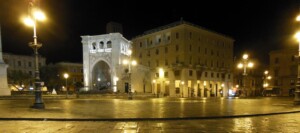
The symbolic heart of the city is Piazza del Duomo, a space that is both scenic and intimate, considered one of the most beautiful squares in Italy. The architectural ensemble surrounding it creates an almost theatrical effect, especially during warm light hours or in the evening, when illumination enhances its forms.
Nearby stands the Basilica of Santa Croce, the greatest example of Lecce Baroque. Its façade is a triumph of decorations, figures, symbols, and details that tell the story of the richness and creativity of this unique style. It is one of those places that deserves time and attention, observing every element calmly.
In the heart of the historic center, the Roman Amphitheater also emerges—a perfect example of how ancient heritage integrates into the modern urban fabric. The presence of the Roman era in the city center adds historical depth to the visit and reveals Lecce’s many layers.
The streets of the historic center are perhaps the most authentic experience. Lecce should be experienced on foot, without haste, often looking upward. Balconies, cornices, minor churches, and palaces tell a widespread beauty, not concentrated in a single spot. It is this visual and cultural continuity that makes Lecce a fundamental stop on the journey and a perfect introduction to the soul of Salento.
What to Absolutely Eat in Lecce
In Lecce, food is an integral part of the urban experience and accompanies every moment of the day. Pasticciotto leccese is the most famous gastronomic symbol: a crumbly shortcrust base filled with warm, fragrant, enveloping custard. It is perfect for breakfast, but also as a sweet afternoon break when you need to slow down between visits.
Rustico leccese is the quintessential street food. Crispy puff pastry, béchamel, tomato, and mozzarella create a simple yet irresistible balance. Practical, quick, and deeply identity-driven, it is ideal for an informal lunch or a snack while walking through the historic center.
In warmer seasons, frisella with tomato, extra-virgin olive oil, and oregano becomes a fresh and light choice. It is a dish that is only seemingly humble, telling the story of the bond with the land and the essential cuisine of Salento.
Top Activities in Lecce
The best time to experience Lecce is in the evening. A nighttime Baroque tour allows you to see how Lecce stone changes color at sunset, shifting from pale to golden, then to warmer and deeper tones. Facades become soft, almost sculpted by light.
Aperitivo in the city center is a daily ritual, often followed by artisanal gelato enjoyed while strolling. The nighttime walk is one of the city’s great pleasures: Lecce is lively, safe, and animated until late, with a relaxed atmosphere that invites wandering without a specific destination.
Day 6 — Otranto, Torre dell’Orso, Santa Cesarea Terme, and Castro
Puglia’s most spectacular Adriatic coast
The concept of the day is clear and powerful: sea, cliffs, architecture, and a sea-view dinner to close the route. It is one of the most panoramic days of the entire journey.
Otranto – morning
The day begins in Otranto, with a compact and charming historic center that is easy to explore on foot. Walking along the walls offers continuous sea views, with the Adriatic accompanying every step. Otranto Cathedral is an essential stop, not only for its artistic value but for its historical and symbolic significance for all of Puglia.
The white lanes descending toward the harbor create an authentic Mediterranean atmosphere, filled with light, morning silence, and the scent of the sea. For lunch or a snack, grilled fish and mussels are ideal, while during the hottest hours a lemon sorbet helps cool down.
After the visit, you can choose between a swim in a nearby cove or a boat tour along the coast, perfect for admiring caves and cliffs from a privileged perspective.

Torre dell’Orso – lunch and sea
The next stop is Torre dell’Orso, one of the most scenic bays in Salento. The wide stretch of light sand and turquoise water creates an immediate visual impact, while panoramic points above the beach offer ideal views from above.
For lunch, a filled puccia salentina is the perfect solution: practical, satisfying, and easy to enjoy between swims. The afternoon here is dedicated to total relaxation, with full sea time and the possibility of snorkeling in the side areas of the bay, where the seabed becomes more interesting.
Santa Cesarea Terme – late afternoon
In the late afternoon, you arrive at Santa Cesarea Terme, recognizable by its elegant Moorish-style architecture. The panorama over the Adriatic coast is continuous and open, ideal for a scenic walk.
Even without entering the thermal baths, the place invites you to slow down. It is a more contemplative than active stop, perfect for lowering the pace before the evening.
Castro – evening
The day ends in Castro, with the upper village offering spectacular views over the Adriatic. In the evening, the atmosphere becomes romantic and relaxed, with soft lights and constant sea views.
Dinner is seafood-based, with raw fish, seafood pasta, and fried fish, accompanied by local white wine or a Salento rosé. It is an intense and panoramic ending, perfectly consistent with the theme of the day.

Day 7 — Ionian Coast: Gallipoli, Porto Cesareo, Tricase, and Santa Maria di Leuca
Caribbean beaches, authentic villages, and a symbolic end to the journey
Gallipoli – morning
The morning is dedicated to Gallipoli, with its old town built on an island and connected to the mainland. White alleys and the omnipresent sea create a distinctly Salento atmosphere. An early walk allows you to enjoy the place with fewer crowds, perhaps followed by a quick swim before the beach fills up.
Be sure to try fried fish and, if you find a traditional trattoria, ciceri e tria, the symbolic dish of Salento cuisine.

Porto Cesareo – lunch and sea
The day continues toward Porto Cesareo, famous for its sandy beaches and shallow, transparent waters. It is the ideal stop for a “sea-only” day, without too many distractions.
Lunch features summer cold dishes such as seafood salad and octopus. In the afternoon, boat excursions or snorkeling in the clearest areas are recommended.
Tricase – afternoon
In the afternoon, you reach Tricase, a connecting stop that allows you to come into contact with the most authentic soul of Capo di Leuca. The historic center is simple and genuine, ideal for a short walk.
This is the perfect place to buy extra-virgin olive oil, cheeses, and preserves—identity-rich and easy-to-carry products, ideal as final gastronomic souvenirs of the journey.
Santa Maria di Leuca – sunset and evening
The journey ends in Santa Maria di Leuca, where the symbolic meeting of the Ionian and Adriatic Seas represents a perfect finale. The lighthouse and the Sanctuary offer extraordinary sunset views, with light wrapping the sea and coastline in a spectacular way.

A sea-view dinner is a must, featuring fish, raw seafood, and fried dishes, followed by almond-based sweets to end the trip on a sweet note. Among the most evocative activities are a boat tour to the caves—either in the evening or the following morning—and an evening walk along the seafront, among historic villas and cafés, gently accompanying you to the conclusion of a rich, varied, and deeply Apulian itinerary.


 by